Crafts for Real Embroidery Projects
As an embroidery designer and product reviewer, I’ve evaluated countless machine embroidery designs. Crafts stands out as a versatile set of graphics that can elevate a range of handmade and commercial projects. But like any design, it’s important to understand its strengths and limitations before using it in real-world applications.
First Impressions of Crafts
From the moment I opened the zip folder, Crafts felt professional. The collection includes multiple file types—jpg, dxf, svg, transparent png, eps, and ai—all at 300dpi. This variety makes it easy to integrate into different workflows, whether you’re working with vector software or preparing for print.
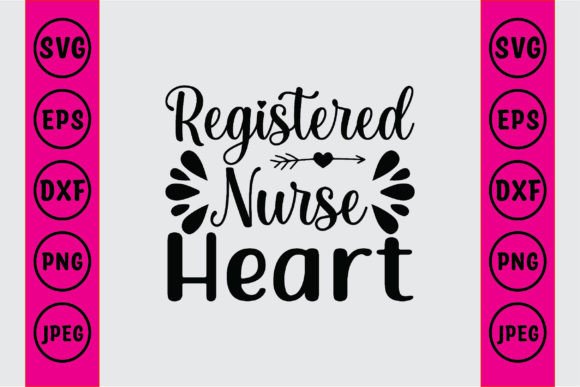
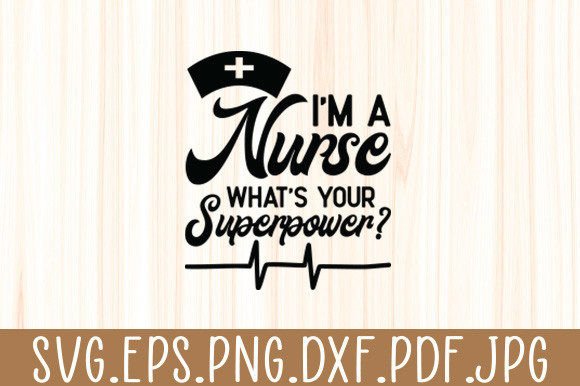
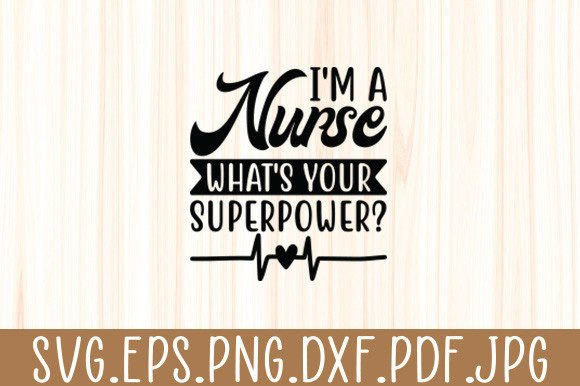
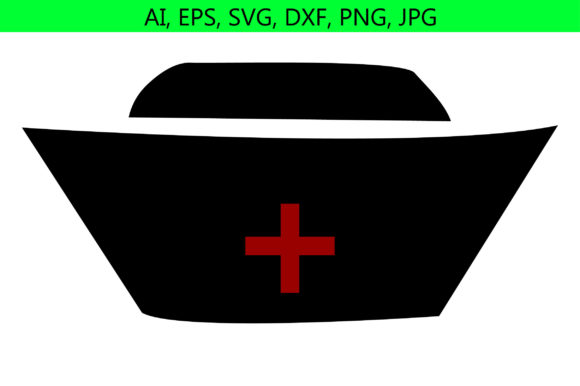
The visual personality of Crafts is clean and modern. It features a nurse-themed design that’s simple enough for most embroidery machines but detailed enough to add character to custom apparel, baby items, or personalized gifts. The layout is balanced, with clear shapes that translate well into stitch patterns. It has a friendly, approachable mood that would work well for both casual and professional settings.
Real-Life Use Cases for Crafts
I tested Crafts on a custom embroidered tote bag, which is a common project for small business owners and Etsy sellers. The design looked great on a cotton canvas, with clear lines and good stitch density. It worked especially well for a nurse-themed gift, making it a strong candidate for holiday or personalized merchandise.
For sweatshirt embroidery, Crafts held up well on a medium-weight fabric. The design didn’t get lost in the texture, and the colors remained vibrant. It could also be used for baby clothes, where simplicity and clarity are key. The design’s size and detail level make it ideal for embroidered patches, aprons, and even kitchen towels.
One thing to note is that Crafts works best on flat surfaces. When I tried it on a cap, the curves slightly distorted the design, especially around the edges. That said, with proper hoop selection and stabilizer, it could still be used for caps if the design is simplified or adjusted.
Where to Use Crafts Carefully
While Crafts is a solid design, there are scenarios where it may not perform as well. For example, on small hoop sizes, the design might require splitting into sections, which can complicate the stitching process. Thin or stretchy fabrics could cause the stitches to pucker or the design to shift during embroidery.
On dark fabrics, the contrast between the design and the background may be less noticeable. If you’re planning to use Crafts on a black or deep-colored garment, consider adjusting the thread color or adding a white underlay for better visibility. Similarly, dense stitch areas might cause the fabric to stiffen, so it’s worth testing on scrap material first.
For layered garments or products that will be washed frequently, such as baby onesies or reusable grocery bags, it’s important to ensure the design is securely stitched and stabilized. A lightweight stabilizer can help prevent puckering and maintain the design’s integrity over time.
Impact on Visual Appeal and Customer Perception
Crafts adds value to any handmade product or custom apparel. Its clean lines and professional look contribute to a polished finished product, which can increase customer trust and satisfaction. When used on a tote bag or apron, it gives the item a sense of purpose and personalization that resonates with buyers looking for unique, meaningful gifts.
As an Etsy seller or small shop owner, Crafts can enhance your product listings by offering a ready-to-use design that’s both practical and visually appealing. It’s especially useful for seasonal or themed items, such as holiday gifts or nursing-related merchandise, where a consistent visual style is important for brand recognition.
For commercial embroidery projects, Crafts provides a reliable base that can be customized or adapted to fit specific needs. Whether you're creating printable mockups for clients or preparing digital embroidery files for sale, this design offers flexibility without sacrificing quality.
Practical Designer Notes
Before committing to a project, always test Crafts on scrap fabric. This helps identify any issues with stitch density, fabric compatibility, or thread color contrast. Check how the design looks in black and white mockups to see if it maintains its clarity and impact.
When using Crafts for both personal and commercial projects, confirm the licensing terms. While the product description doesn’t specify, it’s essential to verify that the design can be used for resale or redistribution, depending on your business model.
Use the right stabilizer for your fabric type. For delicate or stretchy materials, a tear-away or water-soluble stabilizer can help keep the design smooth and secure. Also, pay attention to small details like lettering or intricate corners—these can sometimes be affected by the machine’s movement or the fabric’s tension.
Finally, consider how Crafts fits into your overall design assets. If you’re building a library of embroidery files for your craft business, this one could be a valuable addition, especially for projects that require a clean, modern aesthetic.